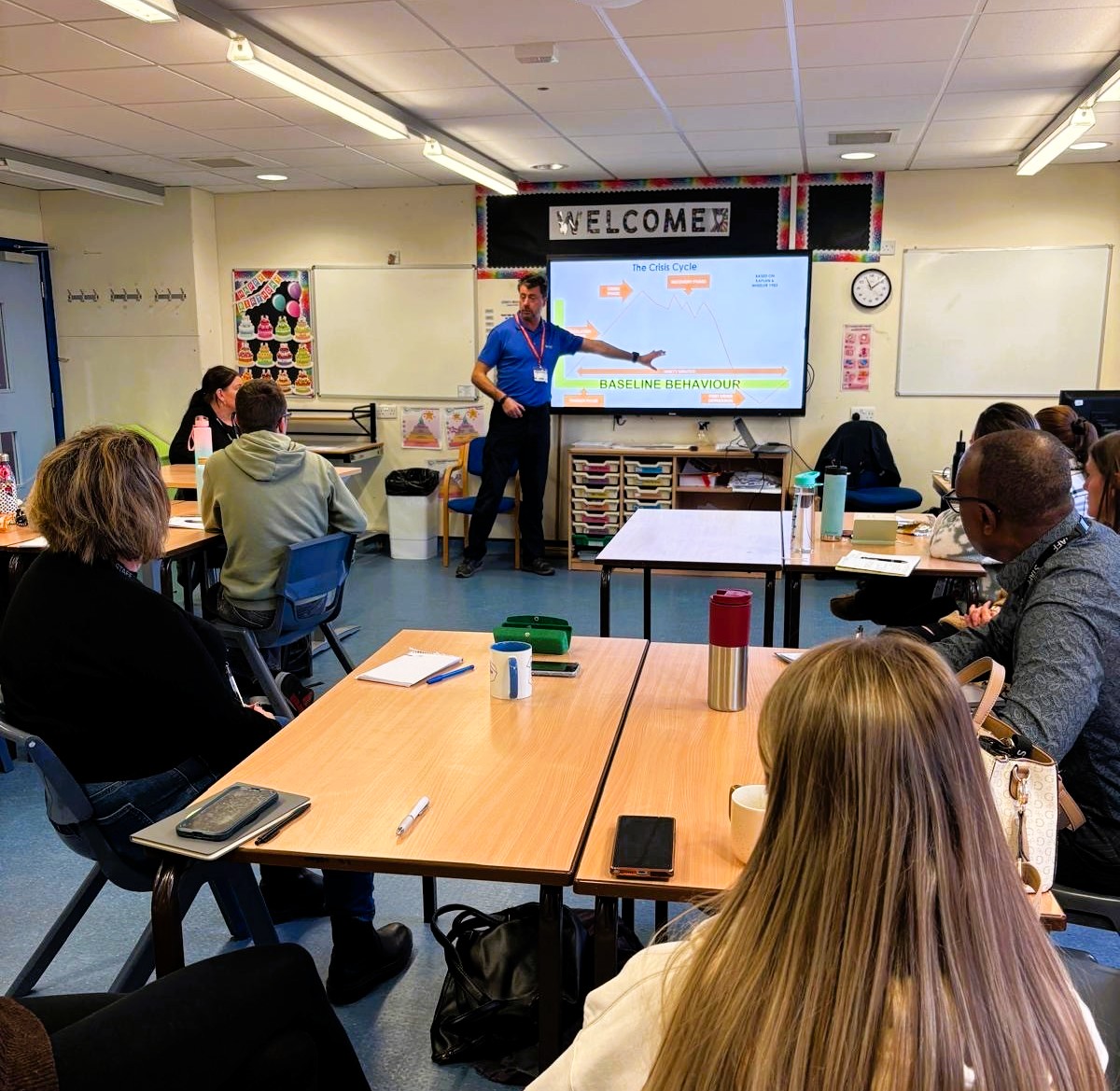
Skills in conflict resolution can diminish over time without regular practice and reinforcement. In fast-paced environments, where staff regularly deal with challenging situations, it is essential that knowledge remains current and confidence remains high.
Refresher training is widely recommended across sectors, including:
- NHS and healthcare settings, where staff regularly manage distressed or vulnerable individuals
- Local authorities and housing teams, dealing with complex and emotionally charged interactions
- Education settings, supporting pupils and managing behaviour
- Retail, hospitality, and customer-facing environments, where staff interact with the public daily
- Care and support services, working closely with individuals who may present behaviours of concern
Regular updates—typically recommended on an annual basis—help ensure staff continue to apply best practice, remain aligned with organisational policies, and respond safely and effectively.
Our training can be delivered face-to-face or virtually, providing flexible options to suit your organisation’s needs while maintaining high levels of engagement and impact.
This training supports organisations in meeting their duty of care under the Health and Safety at Work Act 1974, while aligning with sector guidance such as NHS Violence Prevention and Reduction (VPR) standards and regulatory expectations from CQC and Ofsted.
This course revisits core conflict resolution principles while introducing updates, reinforcing good practice, and addressing real-world challenges faced by staff.
Content is tailored to your organisation, but typically includes:
- Review of key conflict resolution principles
Refreshing understanding of conflict, escalation, and early intervention
- Recognising escalation and behavioural cues
Revisiting warning signs and improving awareness of changing dynamics
- Communication and de-escalation techniques
Strengthening use of tone, language, and active listening to manage challenging interactions
- Emotional awareness and self-management
Maintaining control and professionalism in pressured situations
- Applying structured de-escalation approaches
Reinforcing models and techniques used within your organisation
- Managing challenging conversations and behaviours
Responding effectively to anger, frustration, distress, or resistance
- Decision-making and dynamic risk assessment
Knowing when to continue engagement, seek support, or withdraw
- Learning from real incidents and shared experiences
Reflecting on recent situations to embed learning and improve practice
- Scenario-based training aligned to your environment
Practical exercises based on current challenges within your organisation
- Updates to guidance, policy, or best practice (where applicable)
Ensuring staff remain aligned with current expectations