0800 0146 146
Logo
Contact Us View Our Courses
5.0 ★★★★★ Based on 365 reviews
powered by Google
Courses

Positive Handling in Schools Training

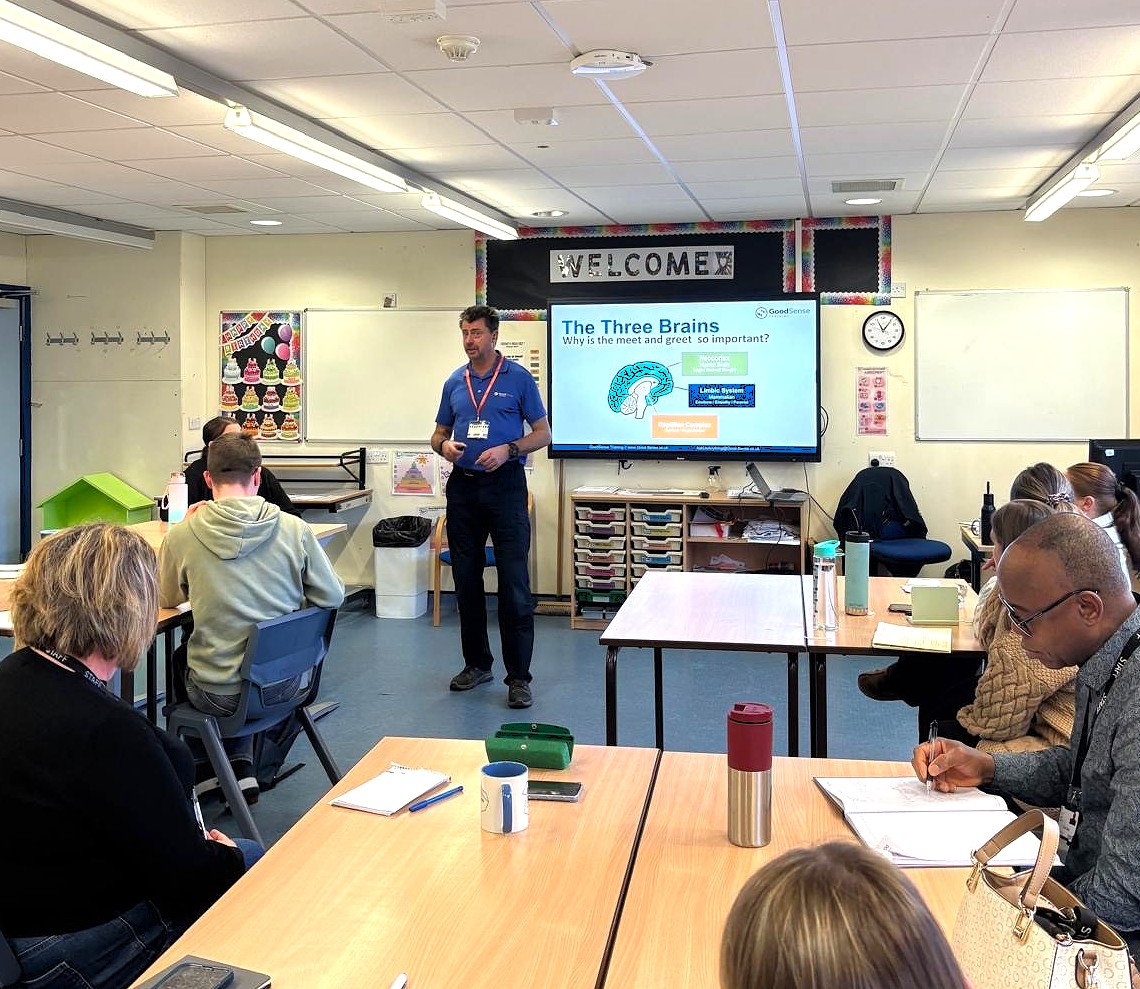
Our Positive Handling Training equips school staff with the skills and confidence to safely manage challenging behaviour, using de-escalation, behaviour support strategies, and, where necessary, appropriate physical intervention. Designed specifically for education settings, this course supports staff to respond calmly, consistently, and in line with safeguarding responsibilities.

Benefits include:

  • Improve staff confidence in managing challenging behaviour
  • Reduce risk to pupils and staff
  • Aligned with safeguarding guidance and best practice in education
Contact Us

Why This Positive Handling Training Course Matters

Managing challenging behaviour is a key part of working in education, particularly where pupils may present with additional needs, emotional distress, or behaviours that challenge. Without the right skills and confidence, situations can escalate quickly, increasing the risk of harm, disruption to learning, and safeguarding concerns.

This is particularly relevant across:

  • Primary and secondary schools, supporting pupils with a range of behavioural needs
  • Special educational needs (SEN) and alternative provision settings, where staff may encounter more complex behaviours
  • Pupil referral units (PRUs) and specialist provisions
  • Academies and multi-academy trusts, ensuring consistency across staff teams

Our training supports schools in meeting their duty of care and safeguarding responsibilities, aligning with guidance from the Department for Education, Ofsted expectations, and best practice in behaviour management and restraint reduction. It helps create safer, more supportive learning environments for both pupils and staff.


What This Positive Handling Training Course Covers

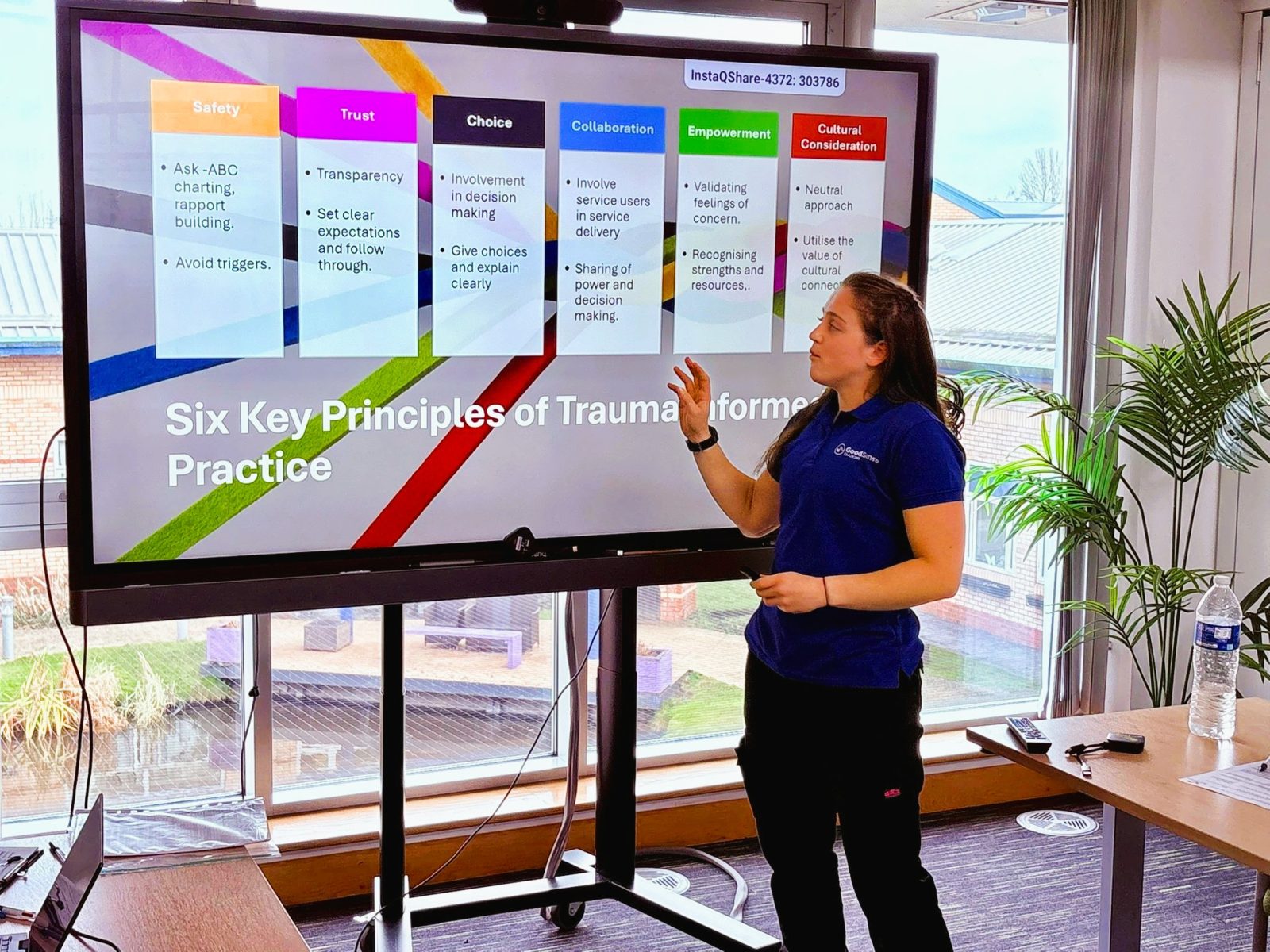
This course combines behaviour management strategies with practical skills, supporting staff to prevent, manage, and respond to challenging behaviour in a safe and proportionate way.

Content is tailored to your school or setting, but typically includes:

  • Understanding behaviour and its underlying causes
    Exploring why children and young people display behaviours that challenge, including communication, unmet needs, and environmental factors
  • Early intervention and de-escalation strategies
    Recognising triggers and using proactive approaches to prevent escalation
  • Communication and relationship-based approaches
    Building rapport, using calm and consistent language, and supporting positive behaviour
  • Emotional awareness and self-regulation for staff
    Maintaining composure and making effective decisions in pressured situations
  • Safe positioning, movement, and personal safety
    Reducing risk through awareness of space, proximity, and safe responses
  • Positive handling and physical intervention (where necessary)
    Introducing safe, proportionate techniques to manage risk when other strategies are not sufficient
  • Legal framework and use of reasonable force in schools
    Understanding when and how physical intervention may be used in line with UK guidance
  • Safeguarding considerations and duty of care
    Ensuring all responses prioritise the safety, dignity, and wellbeing of pupils
  • Scenario-based training aligned to your setting
    Practical examples based on real school situations to embed learning and confidence
  • Post-incident reflection, recording, and learning
    Supporting consistent reporting, reflection, and continuous improvement
Positive Handling in Schools
Course duration

1 – 3* days bespoke training

(Dependent on level of risk)

Clock Icon
Course learners

12 Per Course

(National Guidance states a ratio of 1 trainer per 12 delegates)

Group Icon
Positive Handling in Schools

Who This Positive Handling Training Is For

This course is designed for staff working in education settings where pupils may present behaviours that challenge, including:

  • Primary and secondary school staff
  • SEN school staff and specialist provision teams
  • Teaching assistants and support staff
  • Pastoral teams and behaviour leads
  • Senior leadership teams
  • Alternative provision and PRU staff
Positive Handling in Schools

Why Choose GoodSense

  • Trusted provider to schools, academies, and education settings nationwide
  • Award-winning conflict management consultancy (Yorkshire Prestige Awards 2024–2025)
  • Trainers with real frontline and education-based experience
  • Scenario-based training tailored to your school environment and pupil needs
  • Fully aligned with safeguarding guidance and best practice
  • Consistently excellent client feedback and long-term partnerships

Frequently Asked Questions

Positive handling training teaches school staff how to manage challenging behaviour safely, using de-escalation strategies and, where necessary, appropriate physical intervention.

Yes. The training aligns with Department for Education guidance, Ofsted expectations, and UK legal frameworks around reasonable force and safeguarding.

Yes, where appropriate. Any physical techniques are taught as a last resort and focus on safety, proportionality, and the wellbeing of the pupil.

We recommend a maximum of 12 delegates per trainer for practical sessions to ensure safety and quality.

Absolutely. All training is tailored to your pupils, environment, and specific challenges.

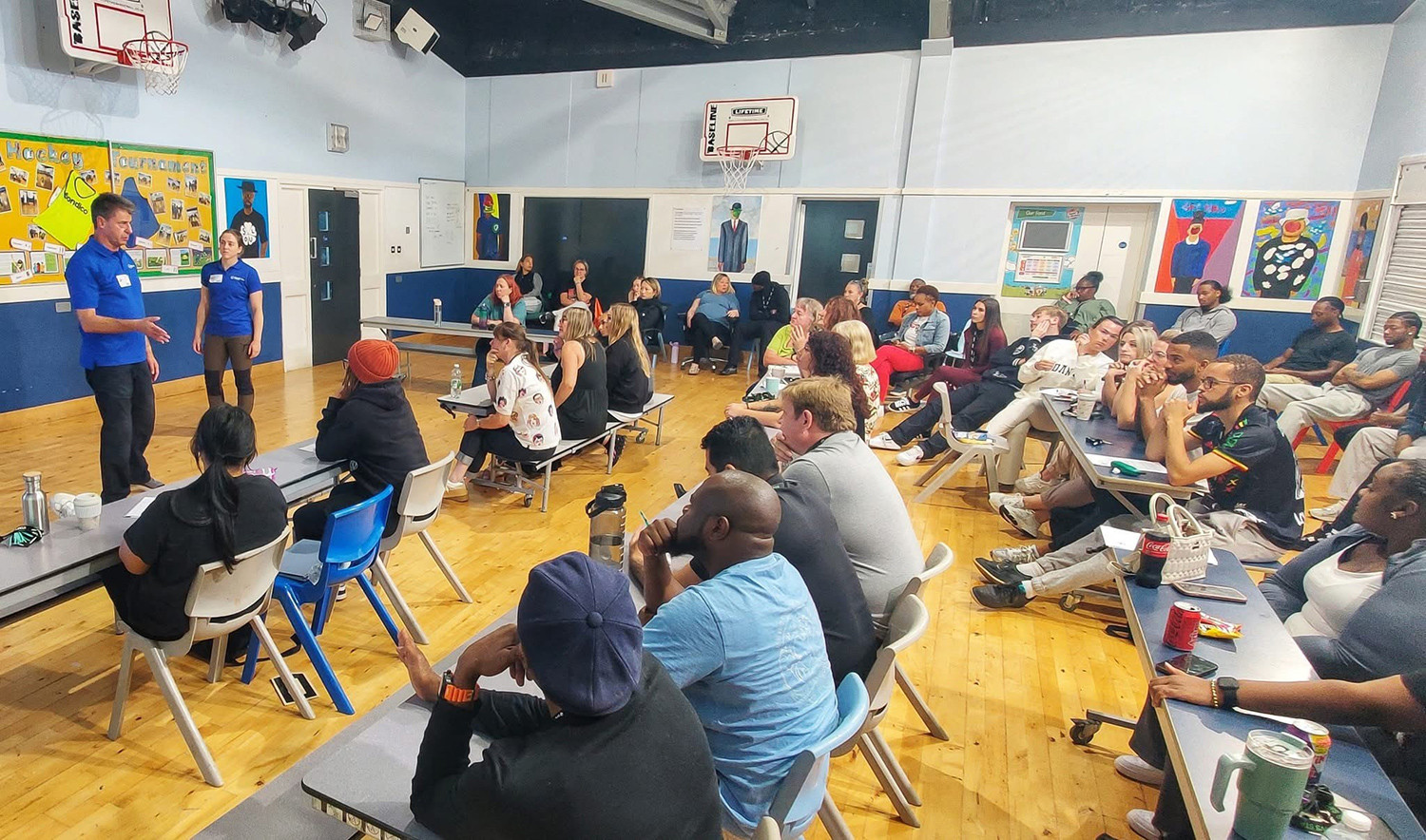
Yes. We deliver all training face-to-face at your school, tailored to your setting and staff team.