0800 0146 146
Logo
Contact Us View Our Courses
Courses

Conflict Resolution Training

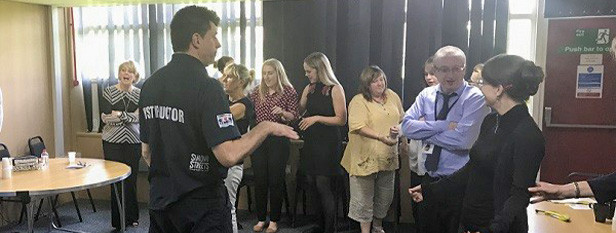
1 Day Training Course delivered at your venue

Proudly named Conflict Management Consultancy of the Year 2024/2025, GoodSense has helped thousands of professionals across the NHS, Mental Health services, care sectors, and private sector organisations build confidence, stay safe, and manage difficult situations with clarity and control.

Course Content
Every course is tailored, but typical content includes:
  • Recognising early warning signs of conflict
  • Understanding triggers and behavioural cues
  • Communicating with confidence under pressure
  • Applying effective de-escalation techniques
  • Staying safe in high-stress situations
  • Managing complaints and emotional customers
  • Navigating workplace tension and team conflict
Contact Us

Conflict Training 1 Day Course

Delivered by Award-Winning Experts in Conflict Management

Whether you’re supporting front-line staff, managing challenging behaviours, or looking to improve team culture – our tailored, certificated courses are designed to equip your team with practical tools they can use immediately.

Why Choose GoodSense?

  • Trusted by the NHS & Care Sectors:
    Extensive experience training healthcare professionals, secure care teams, and residential staff.
  • Proven Success in the Private Sector:
    From customer-facing retail teams to security services, we understand your unique challenges.
  • Certificated Training:
    All delegates receive formal certification to demonstrate compliance and professional development.
  • Flexible Delivery:
    On-site or off-site, face-to-face or blended — we work around your schedule and environment.
  • 5 Star Google Reviews:
    Excellent feedback from every course.

Built Around Your Needs

We don’t do ‘off-the-shelf’. Our courses are designed around your people, your environment, and your risks – whether you’re a care home in crisis, a council team managing public complaints, a NHS Acute Trust or a business facing customer aggression.

From introductory awareness sessions to advanced practical skills and train-the-trainer programmes, we’ll help you find the right fit.

Course Outcomes

The course is designed to help attendees:

  • Become more confident about dealing with violence and aggression by identifying types of behaviour and violent aggressive behaviour triggers
  • Know the health and safety issues regarding violence and aggression in the work place
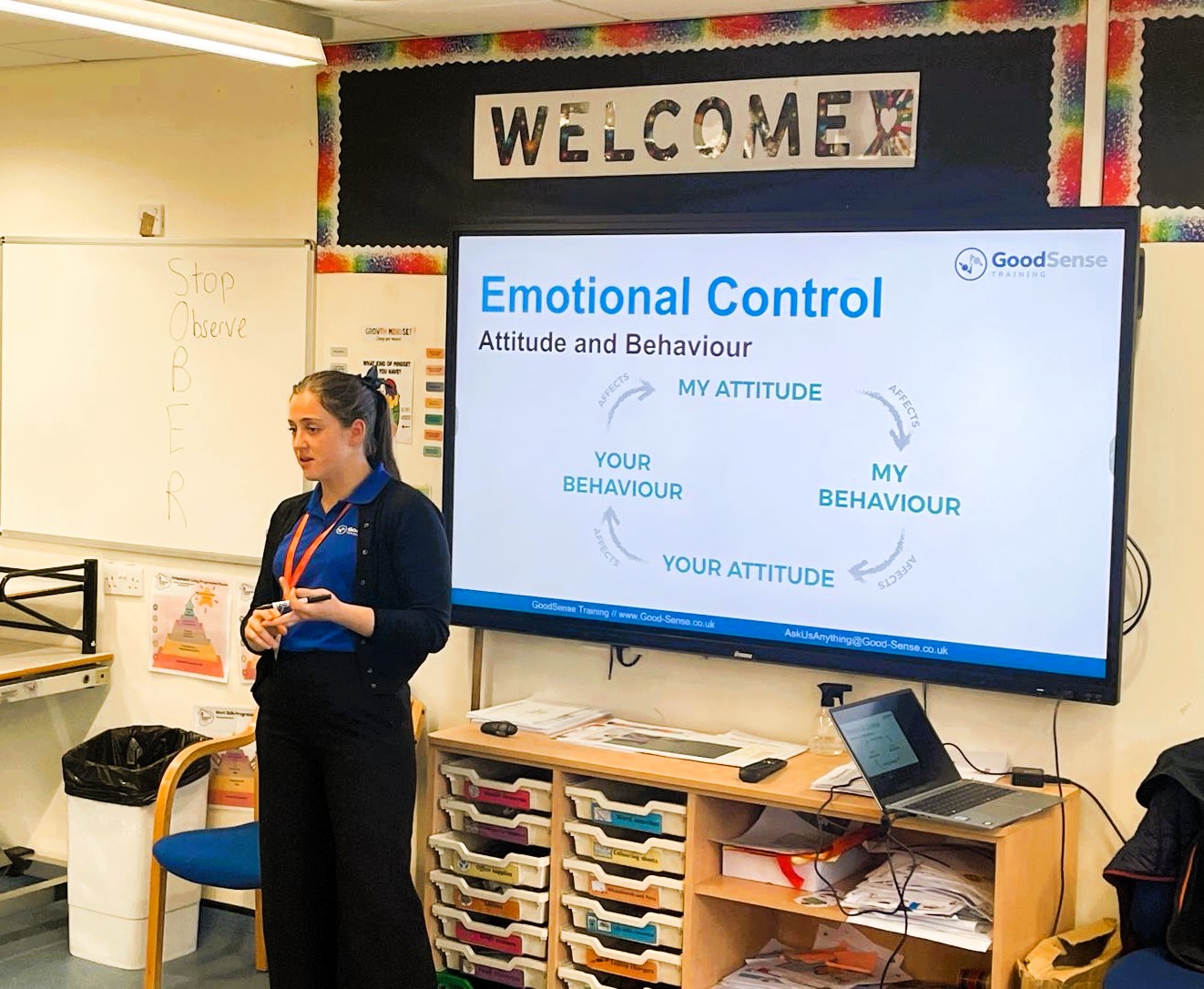
  • Recognise and understand how their own body language and methods of communication can affect others
  • Realise that defusing and de-escalating situations are by far the best way of dealing with a potentially violent or aggressive situation

Course Benefits

After completing the Conflict Resolution training, delegates will receive a Certificate in Conflict Resolution accredited by Good Sense Training and be able to:

  • Identify the key triggers that can cause conflict
  • De-escalate aggressive people
  • Diffuse volatile situations
  • Use proven step-by-step techniques to deal with difficult circumstances
  • Deal with potentially violent scenarios

Download our Course PDF

To find out more information about our course you can download the pdf above, or you can or speak to one of our friendly advisors by clicking the button below.

image01
Course duration

Half Day – 3.5 Hours

Full Day – 7 Hours

Clock Icon
Course learners

16 Per Course

Group Icon

Course Objectives

Prevention Management Violence Aggression

Upon completing the course delegates will:

  • Describe common causes of conflict
  • Describe two forms of communication, i.e. verbal and non-verbal
  • Give examples of communication breakdowns
  • Explain three examples of communication models that can assist conflict
  • Understand patterns of behaviour that may be encountered during different interactions
  • Explain the different warning and danger signs
  • Give examples of impact factors
  • Describe the use of distance when dealing with conflict
Conflict Management
  • Explain the use of ‘reasonable force’ as it applies to conflict management
  • Describe different methods for dealing with possible conflict situations
  • Recognize how to use non-verbal communication in emotive situations
  • Know how to overcome communication barriers in emotive situations
  • Defuse emotive conflict situations
  • Identify how to work with colleagues to de-escalate conflict situations
  • State the importance of providing exit routes and space
  • Identify the benefits of reflecting on learning from conflict situations