Conflict is a daily reality in many workplaces, particularly across public services, retail, housing, and customer-facing roles. Without the right skills, situations can quickly escalate, increasing the risk of aggression, complaints, and harm to both staff and members of the public.
This is a growing challenge across a wide range of sectors, including:
- Local authorities and housing teams, dealing with complex and often emotionally charged situations
- Retail and hospitality environments, where staff manage high volumes of public interaction
- Customer service and contact roles, responding to complaints and challenging behaviour
- Charities and outreach services, supporting individuals in the community
- Transport, leisure, and public-facing services, where staff engage with diverse populations
Our training supports organisations in proactively resolving conflict, reducing incidents, and meeting their duty of care under UK legislation, including the Health and Safety at Work Act 1974. It also aligns with sector-specific guidance and expectations from regulators, helping organisations create safer, more effective working environments.
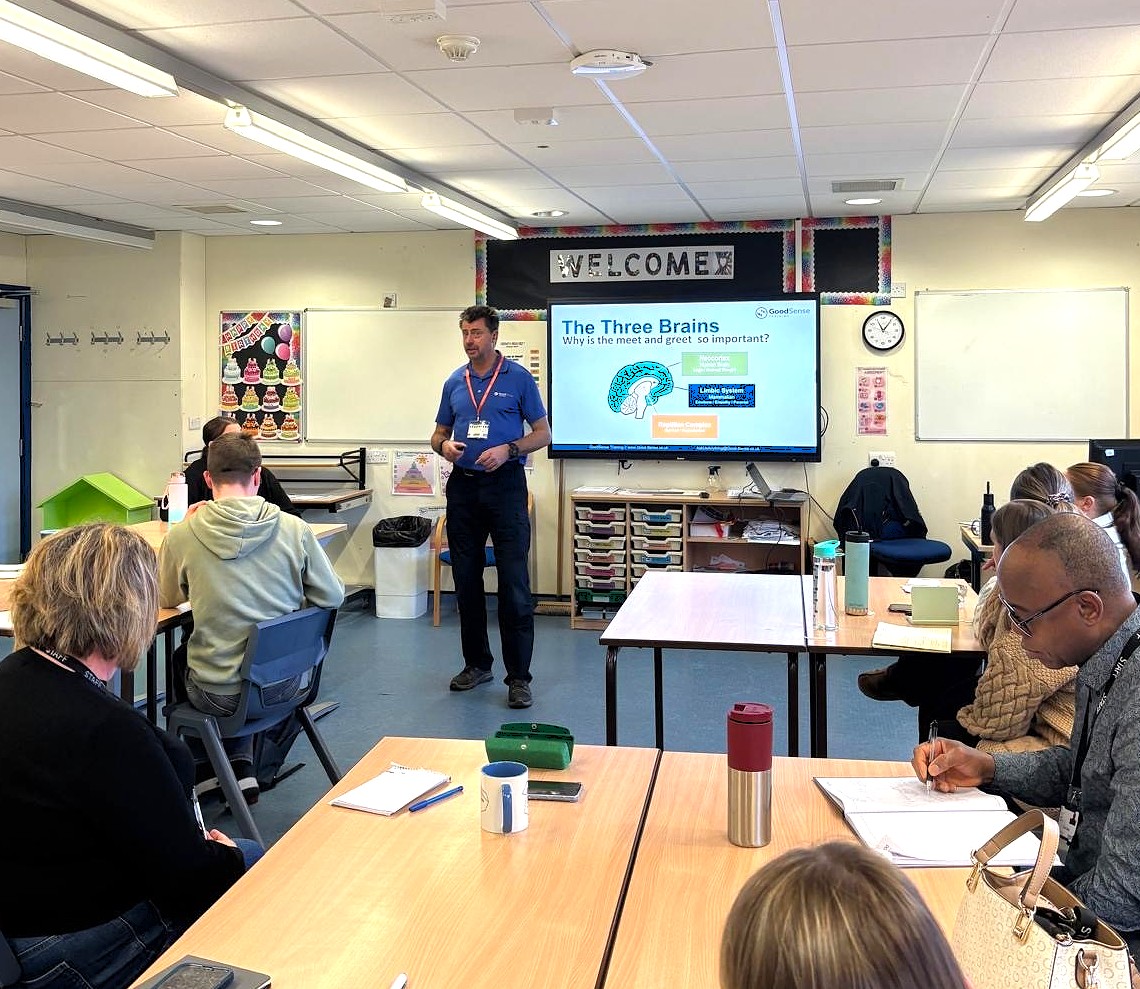
This course combines practical communication techniques with underpinning knowledge to help staff confidently manage conflict and de-escalate challenging situations in real time.
Content is tailored to your organisation, but typically includes:
- Understanding conflict and its causes
Exploring why conflict occurs, common triggers, and how workplace environments and individual factors influence behaviour
- Recognising early warning signs and escalation patterns
Identifying verbal and non-verbal cues that indicate rising tension and potential aggression
- Communication skills for de-escalation
Using tone, language, and active listening to reduce tension and build rapport in challenging interactions
- Emotional awareness and self-management
Understanding personal responses to conflict and maintaining control under pressure
- Practical de-escalation models and techniques
Applying structured approaches to defuse situations and guide conversations towards a safe outcome
- Managing challenging behaviours and conversations
Responding effectively to anger, frustration, complaints, or resistance
- Setting boundaries and maintaining professional presence
Communicating clearly and assertively while maintaining respect and control
- Decision-making and dynamic risk assessment
Knowing when to continue engagement, when to seek support, and when to withdraw
- Scenario-based training aligned to your environment
Realistic examples and role-play based on your sector and common workplace challenges
- Post-incident reflection and learning
Reviewing incidents to support continuous improvement and staff confidence